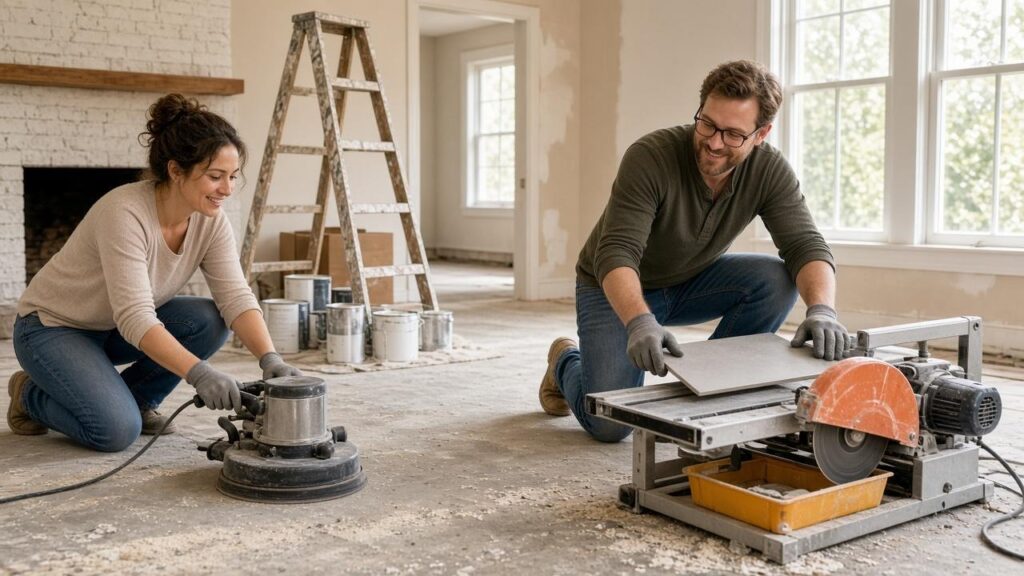
Every home project seems to start with a trip to the hardware store and a moment of hesitation in front of a shiny new tool. Should you buy that tile saw, floor sander or pressure washer, or rent one for the weekend? The answer is not always obvious, and getting it wrong can mean either wasted money or a garage full of equipment you use once a decade.
This guide walks through how to decide, what to check before renting, and a few tips that make the whole experience smoother and safer.
The Simple Rule of Thumb
A good starting point is to ask two questions:
- How often will I realistically use this tool?
- How much does it cost to buy compared with renting?
If you will use a tool several times a year, or it costs less than three or four rental days to buy, owning usually makes sense. Drills, sanders, basic saws and ladders fall into this category for most homeowners.
If you will use it once or twice, or it is large, expensive or specialised, renting nearly always wins. Think floor sanders, carpet cleaners, concrete mixers, mini diggers, scaffolding and stump grinders.
Tools Most People Should Rent
Floor sanders and edgers
Refinishing hardwood floors is a project most people do once in a home. Professional-grade drum and orbital sanders are expensive and heavy, and rental versions are well maintained.
Tile saws
A good wet tile saw makes clean cuts and saves tiles, but unless you tile regularly it will spend years in storage.
Pressure washers (large ones)
A small electric washer is worth owning for patios and cars. For big decks, driveways or paint stripping, a rented petrol unit does the job faster.
Carpet and upholstery cleaners
Rental machines are far stronger than most consumer models and handle deep cleaning before a move or after a party.
Landscaping equipment
Rotavators, turf cutters, log splitters and stump grinders are perfect rental items: powerful, pricey and needed occasionally.
Access equipment
Scaffold towers and tall extension ladders are bulky to store. For one-off painting or gutter jobs, renting is easier.
Tools Worth Owning
- A quality cordless drill and driver set
- A basic circular saw or jigsaw
- A spirit level, tape measure and stud finder
- A sturdy step ladder
- An orbital sander for small jobs
- Basic hand tools: hammer, screwdrivers, pliers and a utility knife
These get used for everything from hanging shelves to assembling furniture, so they pay for themselves quickly. If you are planning bigger changes, such as one of these home addition ideas for a growing family, you will likely use them alongside rented heavy equipment.
Hidden Costs to Consider
When buying
- Storage space and the cost of keeping it organised
- Blades, bits, pads and consumables
- Maintenance and repairs
- Depreciation, since tools lose value quickly
When renting
- Transport, as some items need a van or trailer
- Deposits, which are usually refundable but tie up cash
- Damage waivers or insurance
- Late return fees if the project overruns
Adding these up honestly often makes the decision clearer.
How to Rent Smart
Plan the project first
Measure, buy materials and prepare the space before collecting the tool. Rental time is money, and nothing is more frustrating than paying for a sander while you wait for sandpaper.
Book ahead for weekends
Popular items go quickly on Fridays and Saturdays, especially in spring and summer. Booking a few days in advance avoids disappointment.
Ask for a demonstration
Good rental shops are happy to show you how to use the equipment safely, including how to change blades or pads.
Inspect before you leave
Check cables, guards, blades and fuel levels. Take a few photos so there is no argument about existing damage on return.
Understand the terms
Know exactly when the tool is due back, what happens if you are late, and what the deposit covers.
Safety Comes First
Rented power equipment is often more powerful than the tools you are used to. A few basics:
- Wear the right protective gear: eye protection, hearing protection, gloves and a dust mask or respirator.
- Read the safety instructions or ask staff to walk you through them.
- Keep children and pets well away from the work area.
- Never run petrol equipment indoors or in enclosed spaces. The U.S. EPA explains the risks of carbon monoxide in indoor air, which is a real danger with generators, pressure washers and some floor equipment.
- If your home was built before 1978, sanding or demolishing painted surfaces can release lead dust. The EPA’s guidance for do-it-yourselfers on lead-safe renovation is worth reading before you start.
Choosing a Good Rental Shop
Not all rental businesses are equal. Look for:
- Clean, well-maintained equipment that is inspected between hires
- Clear pricing for hourly, daily and weekend rates
- Online availability so you can check and book without calling around
- Helpful staff who explain safe use
- Fair deposit and damage policies
Behind the counter, the better-run shops tend to use proper systems to track every tool, its condition and its service history. If you are curious how they keep hundreds of items organised, it is worth reading about equipment rental tracking software and how it helps shops avoid double bookings and keep tools safe to use.
Renting With Friends and Neighbours
One underrated trick is to coordinate with neighbours. If three households all want to pressure wash their driveways, renting one machine for a weekend and sharing the cost works out far cheaper than each person renting separately or buying. Just agree on who is responsible for returning it on time.
Final Thoughts
There is no single right answer to the rent-or-buy question, but there is a sensible way to approach it. Own the everyday tools you reach for again and again. Rent the big, expensive and specialised equipment you need for a single project. Plan ahead, follow safety guidance and choose a reputable rental shop, and your next home project will be cheaper, easier and a lot less cluttered.