

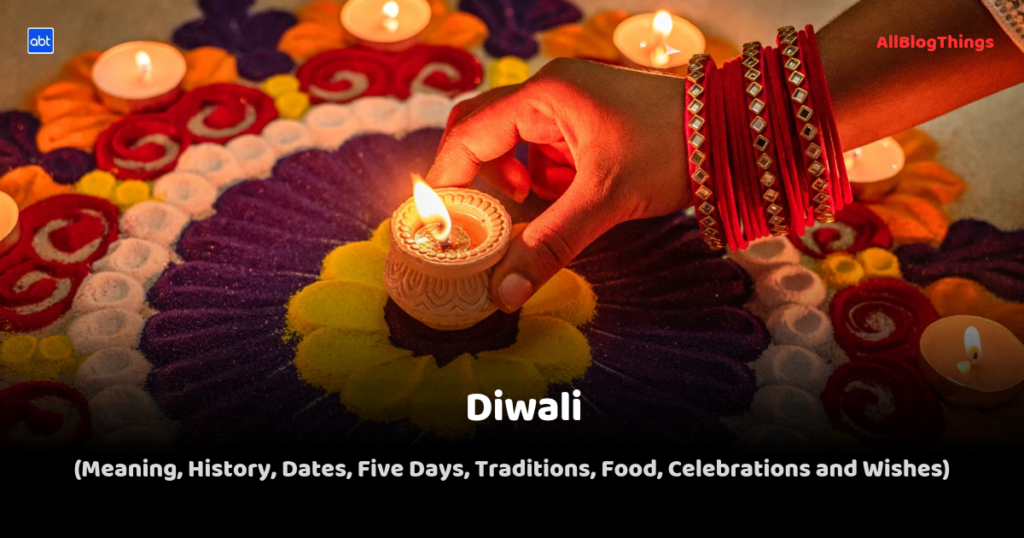
Diwali is the night when millions of homes glow with tiny oil lamps, colorful decorations brighten doorways, families gather around festive meals, and people exchange wishes for happiness and prosperity.
Known as the Festival of Lights, Diwali carries a message that reaches far beyond its beautiful decorations: light can overcome darkness, knowledge can overcome ignorance, and goodness can triumph over evil.
Celebrated by Hindu communities worldwide, Diwali is also associated with important religious observances in Jainism and Sikhism, as well as distinct traditions in some Buddhist communities. Its celebrations extend from India and Nepal to Pakistan, Singapore, Malaysia, the United Kingdom, the United States, Canada, South Africa, Mauritius, Guyana, and many other countries.
The festival has different stories, customs, foods, and regional expressions. Some families celebrate the return of Lord Rama to Ayodhya, others remember Lord Krishna’s victory over Narakasura, and Jain communities commemorate the liberation of Lord Mahavira. For Sikhs, the same period holds significance as Bandi Chhor Divas.
In 2026, the main Diwali celebration falls on Sunday, November 8, according to the principal Indian and Karachi Hindu calendar listings. The surrounding celebrations begin with Dhanteras and continue through Govardhan Puja and Bhai Dooj. Their exact dates can vary according to local lunar calculations and religious traditions.
Diwali 2026: Quick Facts
| Detail | Information |
|---|---|
| Festival name | Diwali, Deepavali, Deepawali |
| Common name | Festival of Lights |
| Main date in 2026 | Sunday, November 8 |
| Hindu calendar | Kartika Amavasya, the new moon |
| Religious traditions | Primarily Hindu, with important Jain and Sikh observances and some regional Buddhist connections |
| Duration | Traditionally five principal days |
| Main symbols | Diyas, candles, rangoli, flowers and lights |
| Important deities in Hindu celebrations | Goddess Lakshmi, Lord Ganesha, Lord Rama and Lord Krishna, depending on tradition |
| Main message | Victory of good over evil, light over darkness and knowledge over ignorance |
| Common activities | Prayer, decorating homes, lighting lamps, exchanging sweets, family gatherings and charitable activities |
| UNESCO recognition | Deepavali was inscribed on UNESCO’s Representative List of the Intangible Cultural Heritage of Humanity in 2025 |
What Is Diwali?
Diwali is an annual religious and cultural festival celebrated around the new moon of the Hindu lunar month of Kartika. It is commonly called Deepavali or Deepawali and is recognized through its distinctive displays of lamps, candles, colorful decorations, religious ceremonies, family gatherings, and festive food.
The festival represents the triumph of positive values over negative forces. Its central message is expressed through the image of a small flame illuminating a dark room.
For Hindu families, Diwali is associated with different sacred stories and traditions. It is also an occasion for worshipping Goddess Lakshmi, the deity associated with wealth and prosperity, and Lord Ganesha, who is traditionally worshipped for wisdom and the removal of obstacles.
Diwali is much more than an evening of fireworks and decorations. It brings together religious devotion, family relationships, cultural heritage, seasonal celebrations, generosity, and hopes for a prosperous year.
People often clean and decorate their homes before the festival, purchase new clothes, prepare traditional meals, visit temples, exchange gifts, and welcome relatives and friends.
For many families, the festival also marks a spiritual opportunity to reflect on personal conduct, forgive past disagreements, express gratitude, and begin a fresh chapter.
What Does Diwali Mean?
The name Diwali comes from the Sanskrit word Deepavali, which means a row or series of lights.
The word has two principal elements:
- Deepa: A lamp, light, or flame.
- Avali: A row, line, or series.
Together, Deepavali describes rows of lamps.
The traditional clay oil lamp is called a diya or deepak. Families place these lamps around entrances, windows, balconies, courtyards, temples, and other spaces during the festival.
The lamps have several symbolic meanings:
- Light over darkness: The flame represents hope, goodness, and the ability to overcome negative forces.
- Knowledge over ignorance: Light symbolizes wisdom, spiritual understanding, and the search for truth.
- Good over evil: The celebration recalls sacred stories in which righteousness defeats destructive forces.
- Hope over despair: Diwali reminds people that difficult periods can give way to better opportunities.
- Prosperity and renewal: The festival is associated with new beginnings, gratitude, abundance, and well-being.
These meanings explain why a simple clay lamp remains one of the most recognizable symbols of Diwali, even in cities where homes are decorated with elaborate electric lighting.
History and Origins of Diwali
Diwali has an ancient history shaped by religious texts, regional customs, local traditions, and stories passed through generations in Hindustan (modern-day India).
There is no single historical explanation that accounts for every Diwali celebration. Different Hindu communities associate the festival with different events from sacred literature. Jain and Sikh communities also have their own religious reasons for observing the occasion.
The festival’s history is best understood through these different traditions rather than through one universal origin story.
1. Lord Rama’s Return to Ayodhya
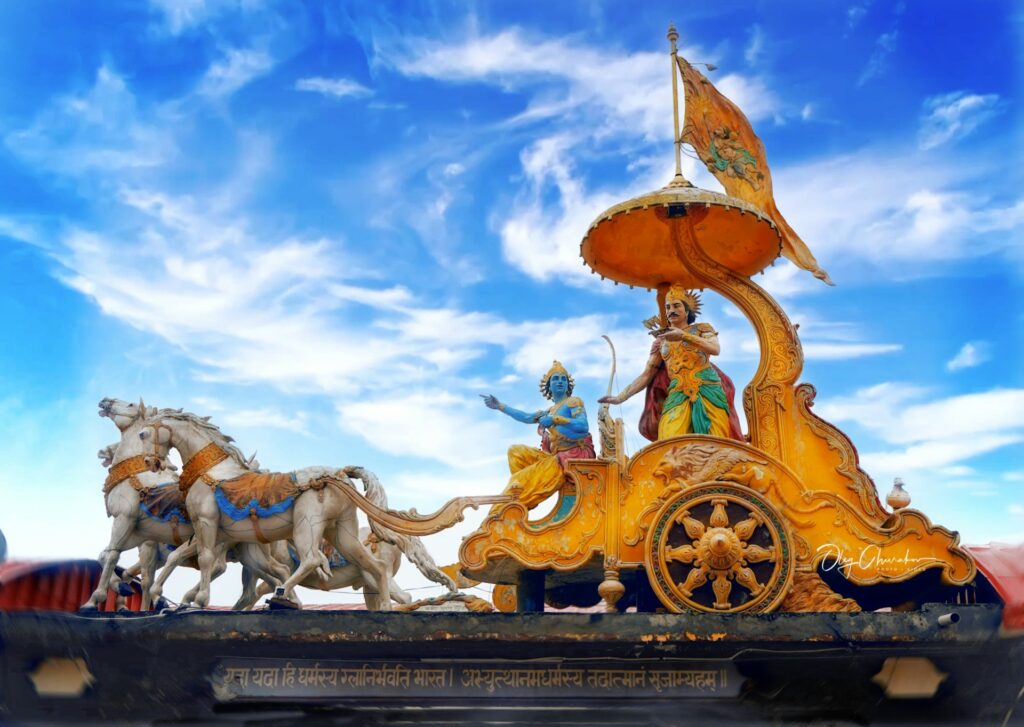
One of the best-known explanations comes from the Hindu epic Ramayana.
According to the traditional account, Lord Rama, his wife Sita, and his brother Lakshmana returned to Ayodhya after spending 14 years in exile. During this period, Rama defeated Ravana, the king of Lanka, who had abducted Sita.
The people of Ayodhya welcomed Rama’s return by illuminating their homes and streets with rows of oil lamps.
The lamps represented their happiness at the return of their rightful king and the victory of righteousness over evil.
This story is especially influential in northern India, where Ayodhya holds a central position in Diwali celebrations.
The tradition of lighting diyas during Diwali is closely connected with this account.
2. Lord Krishna’s Victory Over Narakasura
Another important story connects Diwali with Lord Krishna.
According to the Hindu tradition, Narakasura was a powerful demon king who oppressed people and imprisoned thousands of women. Lord Krishna defeated Narakasura and ended his rule.
His victory represented the destruction of cruelty, injustice, arrogance, and oppression.
The occasion is associated with Naraka Chaturdashi, also known as Choti Diwali. In several southern Indian communities, the defeat of Narakasura is central to the celebration of Deepavali.
Some families traditionally begin the day with an early morning oil bath, prayers, new clothes, and festive food.
3. Goddess Lakshmi and the Festival of Prosperity
Goddess Lakshmi is one of the central figures of Hindu Diwali celebrations.
She is associated with wealth, prosperity, abundance, good fortune, beauty, and well-being.
According to Hindu religious tradition, Lakshmi emerged during the Samudra Manthan, the cosmic churning of the ocean. Her appearance is associated with the arrival of prosperity and divine abundance.
During Diwali, families perform Lakshmi Puja to seek blessings for their households, businesses, and future endeavors.
Homes are cleaned and decorated before the ceremony because cleanliness and an inviting environment are traditionally associated with welcoming the goddess.
Many families also worship Lord Ganesha alongside Lakshmi. Ganesha represents wisdom, good beginnings, and the removal of obstacles.
4. Lord Vishnu and King Bali
Some Hindu traditions associate Diwali with the story of King Mahabali and Lord Vishnu’s Vamana incarnation.
Mahabali was a powerful and generous king whose growing influence concerned the gods. Lord Vishnu appeared as Vamana, a dwarf Brahmin, and requested three steps of land.
Mahabali agreed to the request. Vamana then expanded to a cosmic form, covering the earth and heavens in two steps. Mahabali offered his own head for the third.
The story is associated with devotion, humility, generosity, and divine authority.
In parts of western India, traditions surrounding Bali Pratipada and Govardhan Puja form an important part of the post-Diwali celebrations.
5. Diwali in Ancient and Medieval History
Diwali’s traditions developed over many centuries.
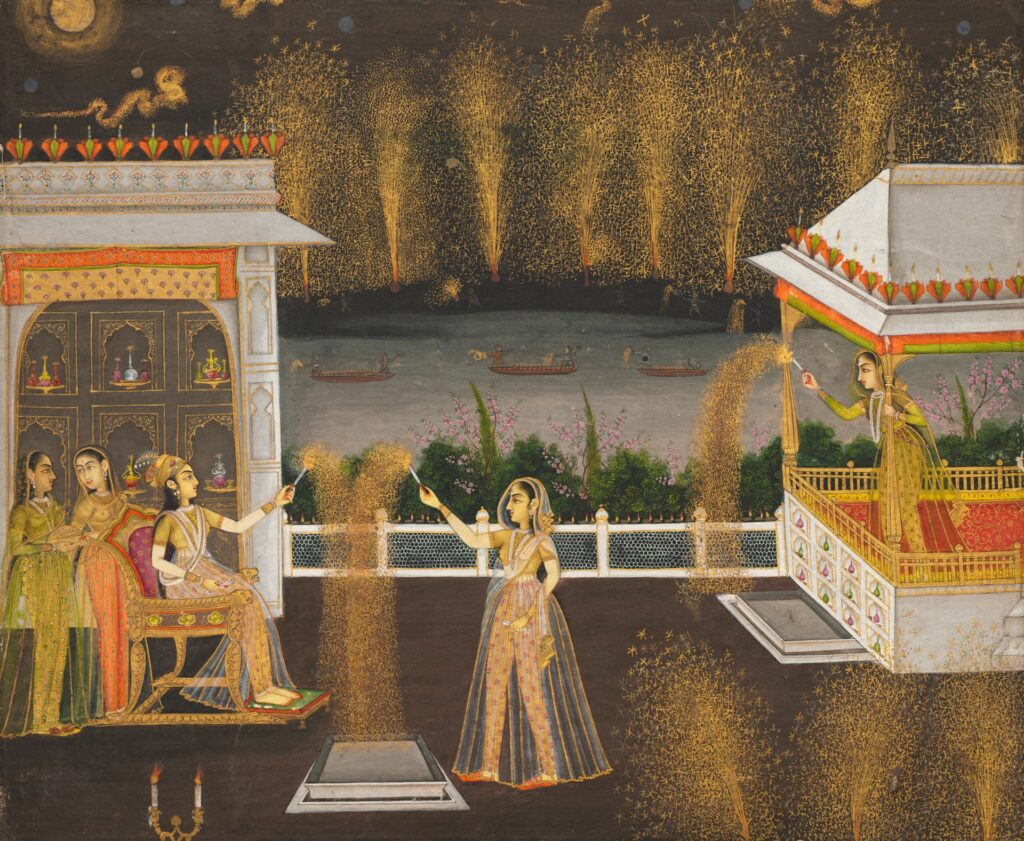
Historical and literary references to lamp festivals appear in ancient Indian cultural records. Later Sanskrit and regional literature also contain references to celebrations involving lamps, seasonal customs, and religious ceremonies.
The festival gradually developed different meanings across regions and communities. Its association with seasonal transitions, new beginnings, prosperity, religious devotion, and family gatherings helped establish its continuing place in South Asian culture.
Modern Diwali celebrations retain many older customs, including the use of clay lamps, religious offerings, traditional sweets, and visits to temples.
Its public celebrations have also expanded through migration, international trade, cultural organizations, and the growth of Hindu, Jain, and Sikh communities around the world.
Religious Significance of Diwali in Different Faiths
Diwali is primarily recognized as a major Hindu festival, but its wider religious associations deserve careful attention. Different faiths attach their own meanings to the period, and their observances should not be treated as identical.
Diwali in Hinduism
For Hindus, Diwali represents the victory of goodness, righteousness, wisdom, and divine protection.
Different regional communities emphasize different religious narratives.
Common Hindu associations include:
- Lord Rama’s return to Ayodhya.
- Lord Krishna’s defeat of Narakasura.
- Goddess Lakshmi’s blessings of prosperity.
- Lord Ganesha’s blessings for wisdom and successful beginnings.
- Govardhan Puja and Lord Krishna’s protection of the people of Vrindavan.
- Kali Puja in communities that worship Goddess Kali during the Diwali period.
The religious ceremonies vary according to family traditions, regional customs, and the spiritual practices followed by each household.
Diwali in Jainism
Diwali holds a deeply spiritual meaning for Jain communities.
Jains commemorate the nirvana, or final liberation, of Lord Mahavira, the 24th Tirthankara of Jainism.
According to Jain tradition, Mahavira attained liberation at Pavapuri in present-day Bihar, India, on the night associated with Diwali.
His liberation represents freedom from the cycle of birth, death, and rebirth.
The Jain understanding of Diwali places particular emphasis on spiritual knowledge, self-discipline, nonviolence, compassion, and the pursuit of liberation.
Jain traditions also connect the lighting of lamps with the memory of Mahavira’s teachings. Followers reflect on his spiritual message and seek to improve their conduct.
The period is especially meaningful for Jain temples and communities, where religious prayers, readings, and devotional activities take place.
Diwali in Sikhism: Bandi Chhor Divas
For Sikhs, the Diwali period coincides with an important celebration known as Bandi Chhor Divas, meaning the Day of Liberation or the Day of the Release of Prisoners.
The occasion commemorates Guru Hargobind Sahib, the sixth Sikh Guru, and his release from imprisonment at Gwalior Fort around 1619.
According to Sikh tradition, Guru Hargobind refused to secure his freedom without also securing the release of 52 imprisoned rulers. The emperor eventually agreed to release those who could leave with the Guru.
The traditional account describes a special robe with multiple cords or attachments that enabled all 52 rulers to leave with him.
His return to Amritsar became associated with the lighting of lamps and celebrations at the Harmandir Sahib, also known as the Golden Temple.
Bandi Chhor Divas carries a message of freedom, justice, compassion, and standing up for others.
Sikh families and gurdwaras mark the occasion through:
- Illuminating gurdwaras and homes.
- Organizing prayers and religious gatherings.
- Reciting passages from the Guru Granth Sahib.
- Sharing meals and participating in langar.
- Remembering the value of freedom and service to humanity.
Diwali and Bandi Chhor Divas occur in the same festival period, but their religious meanings are distinct.
Diwali and Buddhist Communities
Diwali is not a universal Buddhist festival, and most Buddhist communities do not observe it as a central religious holiday.
There are regional connections, particularly among Newar Buddhist communities in Nepal.
During Nepal’s Tihar and Swanti celebrations, Newar Buddhists participate in local customs involving lights, family worship, and Mha Puja, a ceremony honoring the self and the well-being of the individual.
These traditions belong to Nepal’s particular cultural and religious setting. They should not be generalized to all Buddhists.
When Is Diwali 2026?
This year, the main celebration of Diwali is on Sunday, November 8, 2026.
Diwali is celebrated on or around Amavasya, the new moon of the Hindu lunar month of Kartika.
The Gregorian date changes every year because Hindu festival dates are determined through a lunar calendar. The precise observance also depends on the local timing of the relevant lunar day, known as a tithi.
For 2026, the main Lakshmi Puja and Diwali date is November 8 in India, Karachi, and several other international calendars.
Diwali Dates for 2026
| Festival or observance | 2026 date | Significance |
|---|---|---|
| Dhanteras | Friday, November 6 | Prosperity, health, and auspicious purchases |
| Kali Chaudas | Saturday, November 7 | A regional observance associated with protection and the removal of negativity |
| Naraka Chaturdashi | Sunday, November 8 | Lord Krishna’s victory over Narakasura |
| Lakshmi Puja and Diwali | Sunday, November 8 | Main evening of prayers, lamps, and family celebrations |
| Govardhan Puja | November 9 or 10, depending on local calculation | Lord Krishna, gratitude, and the Annakut offering |
| Bhai Dooj | November 10 or 11, depending on local calculation | Celebration of the relationship between brothers and sisters |
Some communities observe Naraka Chaturdashi and Lakshmi Puja on the same civil date in 2026. Other calendars distinguish their surrounding observances.
The same issue affects Govardhan Puja and Bhai Dooj. Some New Delhi calculations place them on November 10 and 11, respectively, whereas the Karachi calendar lists November 9 and 10.
This difference arises because the religious calendar considers when a particular lunar tithi occurs in relation to sunrise, sunset, and the prescribed ritual period. The festivals do not always occupy five consecutive Gregorian dates.
For religious ceremonies, follow the panchang used by your local temple or family tradition.
When Is Diwali in 2027?
Diwali in India is expected on Friday, October 29, 2027.
The date changes annually because the festival follows the Hindu lunar calendar rather than a fixed Gregorian date.
Why Does the Date of Diwali Change Every Year?
The Hindu calendar uses lunar cycles to determine many religious celebrations.
A lunar month is divided into two fortnights:
- Shukla Paksha: The waxing phase of the moon, from new moon toward full moon.
- Krishna Paksha: The waning phase of the moon, from full moon toward new moon.
Diwali is associated with Amavasya, the new moon at the end of Krishna Paksha.
The Hindu month is known as Kartika in the commonly used North Indian calendar system. Other regional calendar systems may assign a different month name to the same festival period.
Because the lunar cycle does not match the 365-day Gregorian year exactly, Diwali moves between October and November.
Local sunrise and sunset calculations also affect the date of individual rituals.
This explains why two families following different regional calendars may celebrate a particular Diwali observance on different civil dates.
The 5 Days of Diwali Explained
Diwali traditionally consists of five principal days. Each day has a different religious meaning, set of customs, and family activities.
The celebrations begin before the main new-moon evening and continue afterward.
Day 1: Dhanteras
Meaning: Worship of wealth, health, and prosperity.
Traditional date in 2026: Friday, November 6.
Dhanteras, also called Dhan Trayodashi or Dhanvantari Trayodashi, opens the main Diwali celebration.
The word combines Dhan, meaning wealth, and Teras, referring to the thirteenth lunar day.
The day is associated with Dhanvantari, a divine figure connected with Ayurveda and health, as well as Goddess Lakshmi and Kubera, who is associated with wealth.
Many families believe that bringing auspicious household items into the home on Dhanteras symbolizes a prosperous beginning.
Traditional purchases include:
- Gold and silver jewelry.
- Silver coins.
- Brass and copper utensils.
- Steel kitchenware.
- New household items.
- Religious objects and lamps.
Some households also light a special lamp in the evening in remembrance of Yama, the deity associated with death.
Dhanteras has become a major shopping occasion, with markets displaying jewelry, decorative goods, household equipment, gifts, and festive clothing.
Day 2: Naraka Chaturdashi and Choti Diwali
Traditional date: Saturday, November 7, for Kali Chaudas in many North Indian calendars, with Naraka Chaturdashi falling on November 8 in the 2026 calendar examples discussed above.
Naraka Chaturdashi is closely associated with Lord Krishna’s victory over Narakasura.
It is also known as Choti Diwali, meaning Little Diwali.
Many families prepare their homes, decorate entrances, arrange diyas, and prepare sweets and savory snacks.
In several southern Indian traditions, people wake early and take a traditional oil bath before sunrise. They wear new clothing, offer prayers, and enjoy special food.
Some communities observe Kali Chaudas on the preceding evening. The observance is associated with protection and the removal of negative influences.
Day 3: Lakshmi Puja and Main Diwali
Date in 2026: Sunday, November 8.
This is the principal Diwali celebration for many Hindu communities.
Homes are cleaned and decorated, family members wear festive clothing, and people prepare special meals and sweets.
In the evening, families perform Lakshmi Puja, often worshipping Lord Ganesha alongside Goddess Lakshmi.
A traditional puja arrangement may include:
- Images or idols of Lakshmi and Ganesha.
- Fresh flowers.
- Incense.
- A puja thali.
- Fruits and sweets.
- Rice and sacred offerings.
- Clay oil lamps.
- Coins or other auspicious objects.
The family offers prayers, recites traditional mantras, and lights diyas around the home.
Some business owners also worship their account books, cash registers, and business-related documents. In Gujarat and parts of western India, this practice is associated with Chopda Puja.
After the religious ceremonies, relatives exchange sweets and gifts, share festive meals, and enjoy the illuminated surroundings.
Day 4: Govardhan Puja and Annakut
Traditional date in 2026: November 9 or 10, according to the local calendar.
Govardhan Puja commemorates Lord Krishna’s protection of the people of Vrindavan.
According to the religious story, Krishna lifted Govardhan Hill to protect villagers and their cattle from severe rain and flooding.
The celebration reminds devotees of gratitude, care for nature, humility, and devotion.
A major associated tradition is Annakut, meaning a mountain of food.
Temples and families prepare many dishes and arrange them as offerings to Krishna. These may include:
- Rice dishes.
- Lentils.
- Vegetables.
- Indian breads.
- Sweets.
- Fruits.
- Savory snacks.
Cattle worship is also part of Govardhan-related customs in certain communities.
In different parts of India, this period is also associated with Bali Pratipada, regional new-year observances, and family traditions involving married couples.
Day 5: Bhai Dooj
Traditional date in 2026: November 10 or 11, depending on location.
Bhai Dooj marks the final principal day of the traditional Diwali sequence.
The festival celebrates the relationship between brothers and sisters.
Sisters invite their brothers, apply a ceremonial tilak to their foreheads, perform prayers for their well-being, and often prepare a special meal.
Brothers express affection through gifts, visits, and blessings.
The observance is known by different names:
- Bhai Dooj in northern India.
- Bhau Beej in Maharashtra and parts of western India.
- Bhai Tika in Nepal.
- Bhai Phonta in Bengal.
The traditions vary, but the central theme remains the same: affection, protection, appreciation, and the enduring relationship between siblings.
Main Diwali Traditions and Customs
Diwali customs are shaped by family traditions, regional culture, and religious beliefs. Some activities are widely recognized, but individual households do not necessarily perform every ritual.
1. Lighting Diyas
Lighting diyas is the most recognizable Diwali tradition.
A traditional diya is made from clay and filled with oil or ghee. A cotton wick is placed inside, allowing the flame to burn steadily.
Families arrange diyas around entrances, windows, balconies, courtyards, and temples.
The light symbolizes wisdom, positivity, hope, and spiritual awakening.
Modern households also use LED lamps, candles, and decorative electric lighting.
2. Rangoli and Decorative Floor Art
Rangoli is a decorative art created on the floor, usually near the entrance of a home or a prayer space.
Traditional designs use colored powders, rice flour, flower petals, grains, and other natural materials.
Popular patterns include:
- Lotus flowers.
- Peacock designs.
- Geometric shapes.
- Diyas.
- Swastika symbols in their traditional Hindu auspicious context.
- Floral patterns.
- Religious figures and symbols.
Different regions have their own styles. Kolam is especially associated with South India, Alpana with Bengal, and Mandana with parts of Rajasthan and neighboring regions.
Rangoli is traditionally intended to welcome guests and symbolize auspiciousness and hospitality.
3. Cleaning and Decorating Homes
Families often begin preparing for Diwali days or weeks in advance.
They clean their homes, organize household spaces, wash furnishings, and decorate entrances.
Popular decorations include:
- Marigold flower garlands.
- Mango-leaf torans.
- Decorative lanterns.
- Electric string lights.
- Colorful cushions and textiles.
- Fresh flowers.
- Traditional wall decorations.
Cleaning is also associated with welcoming prosperity and preparing a peaceful environment for worship.
4. Wearing New and Festive Clothes
New clothing is a popular part of Diwali celebrations.
Families often choose traditional attire for religious ceremonies and gatherings.
Women may wear sarees, lehengas, salwar kameez, or other festive outfits. Men may wear kurtas, sherwanis, or traditional regional clothing.
Children also enjoy wearing new clothes and participating in the celebrations.
5. Lakshmi and Ganesha Puja
Lakshmi Puja is one of the most important Hindu Diwali ceremonies.
Families pray for financial stability, health, happiness, wisdom, and success.
Ganesha is worshipped for auspicious beginnings and the removal of obstacles.
The ceremony often takes place after sunset, though the recommended time varies by city and panchang.
6. Exchanging Gifts and Sweets
Exchanging gifts is a familiar part of modern Diwali celebrations.
Families, friends, colleagues, neighbors, and business associates share gifts to express affection and goodwill.
Common gifts include:
- Mithai boxes.
- Dry fruits.
- Chocolates.
- Decorative lamps.
- Religious items.
- Clothing.
- Household gifts.
- Handmade decorations.
Sweets are particularly important because they symbolize happiness and the sharing of good wishes.
7. Fireworks and Firecrackers
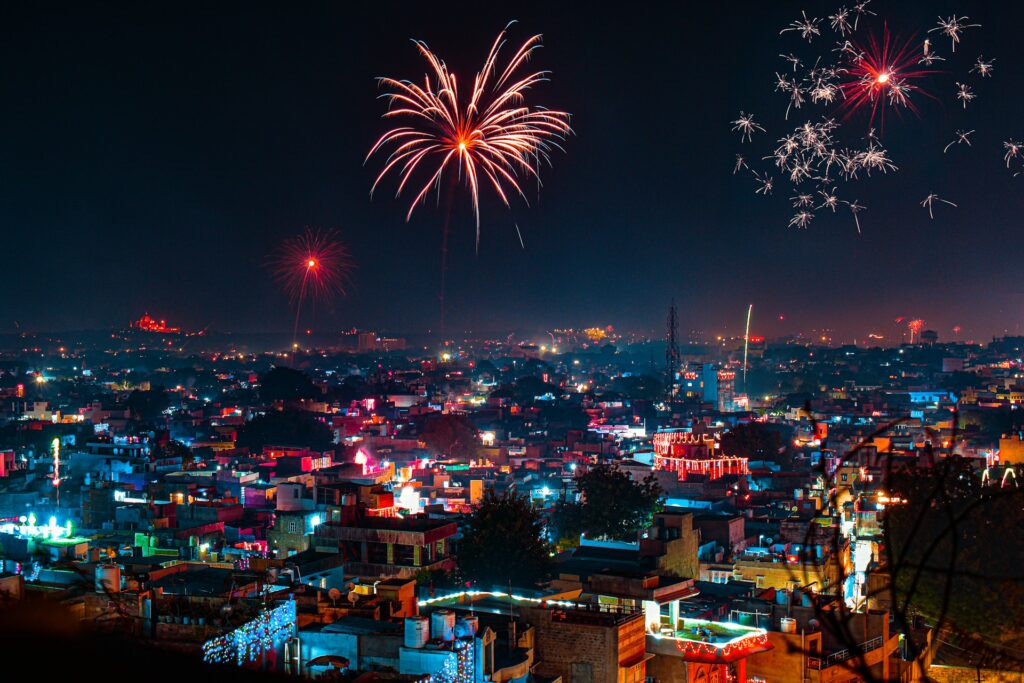
Fireworks have become associated with Diwali celebrations in many communities.
People enjoy sparklers, fountains, and organized displays, although the use of fireworks differs by location and is subject to local laws and environmental restrictions.
Fireworks also raise concerns about air pollution, noise, burns, eye injuries, and the safety of children and animals.
Families who prefer a quieter celebration often choose diyas, candles, community events, or professional displays.
8. Charity and Helping Others
Generosity is an important expression of Diwali’s positive values.
Many families distribute food, clothes, sweets, and other essential items to people in need.
Community organizations and religious institutions arrange food distributions and charitable activities.
Sharing with others gives the festival a social meaning beyond the decoration of individual homes.
Diwali Celebrations Across India
India is the heartland of Diwali celebrations. The festival is observed across the country, but its religious emphasis, traditional dishes, and local customs differ considerably.
North India
Northern Indian celebrations are closely connected with Lord Rama’s return to Ayodhya.
Families light diyas, decorate entrances with rangoli, perform Lakshmi Puja, visit temples, and exchange gifts.
Ayodhya holds a special religious connection with Diwali because of its association with Lord Rama.
Other cities, including Delhi, Jaipur, Varanasi, Lucknow, and Chandigarh, also experience extensive festive lighting, shopping, family gatherings, and religious activities.
Popular northern Indian Diwali foods include:
- Gujiya.
- Besan ladoo.
- Kaju katli.
- Shakkar pare.
- Namak pare.
- Mathri.
- Gulab jamun.
South India
In southern India, Deepavali is strongly associated with Lord Krishna’s victory over Narakasura.
Many households begin their celebrations early in the morning with an oil bath, new clothing, prayers, and traditional food.
Families exchange sweets, visit relatives, and illuminate their homes.
Common festive foods include:
- Murukku.
- Adhirasam.
- Mysore Pak.
- Thattai.
- Mixture.
- Payasam.
- Various varieties of homemade sweets.
The preparation of Deepavali marundu or legiyam, a traditional herbal preparation associated with digestion after festive meals, is also a custom in some Tamil households.
Western India
Gujarat, Maharashtra, and Rajasthan have distinctive Diwali traditions.
Gujarati families often perform Chopda Puja, worshipping business account books and seeking blessings for the new financial year.
In Maharashtra, the festive period includes Padwa and Bhau Beej. Families prepare a traditional assortment of snacks called faral.
Rajasthan celebrates with decorative lamps, religious ceremonies, traditional sweets, and beautifully illuminated markets.
Popular western Indian foods include:
- Karanji.
- Chakli.
- Anarsa.
- Mohanthal.
- Ghughra.
- Fafda.
- Shankarpali.
Eastern India
In West Bengal, Odisha, and parts of northeastern India, Kali Puja is an important religious observance during the Diwali period.
Devotees worship Goddess Kali, who represents the destruction of evil and the protection of her followers.
Temples and temporary pandals are decorated, and families participate in religious ceremonies.
Bengali households may also enjoy traditional sweets such as sandesh, narkel naru, and other regional delicacies.
The emphasis on Kali Puja makes the eastern Indian celebration distinct from regions where Lakshmi Puja is the central ceremony.
Ayodhya’s Diwali Celebration
Ayodhya is one of the most recognizable destinations associated with Diwali.
The city is traditionally connected with Lord Rama’s return after his 14-year exile. Its religious importance makes it a central location for pilgrims and visitors during the festival.
Deepotsav celebrations have brought large-scale lighting displays, cultural performances, religious programs, and illuminated riverfront areas into the public celebration.
The sight of thousands of traditional lamps along the Sarayu River reflects the connection between the ancient Ramayana story and contemporary Diwali festivities.
How Diwali Is Celebrated Around the World
Diwali is no longer limited to South Asia. Indian migration, Hindu religious communities, Jain and Sikh institutions, and cultural organizations have helped establish the festival in many countries.
Different nations recognize it through religious gatherings, public holidays, community festivals, and family traditions.
1. Pakistan
Pakistan has an established Hindu community with a long cultural and religious connection to Diwali.
The festival is celebrated by Hindu families in Sindh, Karachi, Hyderabad, Tharparkar, Umerkot, Lahore, and other parts of the country.
Temples organize prayers, families light traditional lamps, and relatives exchange sweets and festive wishes.
The celebrations retain many customs found throughout South Asia, including Lakshmi Puja, household decorations, religious offerings, and family gatherings.
Pakistan’s Hindu heritage is particularly visible in parts of Sindh, where Hindu communities have maintained traditional religious and cultural practices across generations.
For 2026, Pakistan’s national broadcaster reported Diwali celebrations across the country on November 8, with special religious services arranged at Hindu temples.
The date of the religious observance and the date of an official office closure are not necessarily identical. For example, the Sindh High Court’s 2026 general holiday calendar lists Diwali on November 9.
2. Nepal
Nepal celebrates a major festival called Tihar, which is closely related to the Diwali season.
Tihar lasts five days and includes customs honoring animals, wealth, family relationships, and the divine.
Its main observances include:
- Kaag Tihar: Honoring crows.
- Kukur Tihar: Honoring dogs.
- Gai Tihar and Lakshmi Puja: Honoring cows and worshipping Goddess Lakshmi.
- Govardhan Puja or Mha Puja: Honoring oxen in some traditions and performing self-worship among Newar communities.
- Bhai Tika: Celebrating the relationship between brothers and sisters.
The worship of dogs is one of Nepal’s most recognizable Tihar customs. Dogs are decorated with flower garlands and receive special food as a gesture of respect.
The festival also illuminates homes, streets, and temples with traditional lamps and electric lights.
3. Singapore
Singapore has a large Indian community, and Deepavali is an officially recognized public holiday.
Little India becomes a focal point of celebrations, with decorative lighting, street markets, cultural performances, religious activities, and traditional food.
Families prepare their homes, wear festive clothing, exchange gifts, and visit temples.
Community events also give people from different cultural backgrounds an opportunity to learn about Indian traditions.
Singapore’s Ministry of Manpower lists November 8, 2026, as the official Deepavali public holiday, with Monday, November 9, observed as the replacement holiday.
4. Malaysia
Deepavali is a major public holiday in Malaysia, where the Indian community has maintained its cultural and religious traditions for generations.
Homes and temples are decorated with lamps, flowers, and colorful designs.
The celebration typically includes:
- Early morning prayers.
- Visits to Hindu temples.
- New clothes.
- Traditional sweets and snacks.
- Open-house gatherings.
- Family meals.
- Gift exchanges.
Visiting relatives and friends is a popular custom. Guests are welcomed with food and refreshments, making Deepavali a major social occasion.
5. United Kingdom
The United Kingdom has well-established Hindu, Jain, and Sikh communities.
Leicester is particularly associated with large Diwali celebrations, especially around Belgrave Road, popularly known as the Golden Mile.
Its annual festival program features cultural performances, dance, music, exhibitions, workshops, and family activities.
Other cities, including London, Birmingham, Manchester, and Coventry, also host community gatherings, temple events, and cultural celebrations.
In London, Diwali has traditionally been celebrated through public events at Trafalgar Square, bringing together people from different religious and cultural backgrounds.
6. United States
The United States has a large and growing population of Indian-origin communities that celebrate Diwali.
Public gatherings take place in New York, New Jersey, California, Texas, Illinois, and other states.
The festival includes religious ceremonies, cultural performances, traditional clothing, Indian food, music, and community events.
Schools, universities, cultural associations, and some public institutions also organize Diwali celebrations.
The University of Princeton, for example, has hosted Diwali programs that connect religious observance with cultural education and community participation.
7. Canada
Canada’s Hindu, Sikh, and Jain communities observe Diwali and related religious celebrations throughout the country.
Major community gatherings take place in Toronto, Brampton, Mississauga, Vancouver, Surrey, Calgary, and other cities.
Temples and gurdwaras organize religious programs, families share festive meals, and cultural organizations arrange public events.
The Canadian government has also formally recognized Bandi Chhor Divas and the significance of Guru Hargobind’s release in Sikh tradition.
8. Mauritius
Mauritius has a substantial Hindu population, and Diwali forms an important part of the country’s cultural calendar.
Families light diyas, decorate homes, exchange sweets, and organize gatherings.
The tradition reflects the island’s Indian cultural heritage and the preservation of religious practices brought by earlier generations.
9. Guyana, Trinidad and Tobago, and Suriname
Diwali is also known as Divali in several Caribbean countries.
In Trinidad and Tobago, the celebration has become an important part of the national cultural calendar. Divali Nagar is a well-known cultural event involving food, music, religious programs, and traditional performances.
Guyana also recognizes Deepavali as a public holiday.
In Suriname, Hindu communities maintain Diwali traditions through prayers, lamps, family gatherings, and religious celebrations.
These celebrations demonstrate how Indian religious and cultural traditions have continued across generations in the Caribbean and South American regions.
10. South Africa and Fiji
South Africa has a long-established Indian-origin population, particularly in KwaZulu-Natal.
Diwali is marked through temple celebrations, cultural activities, community events, prayer ceremonies, and festive meals.
Fiji also has a substantial population with Indian ancestry. Families observe Diwali by lighting lamps, sharing traditional dishes, and visiting friends and relatives.
In both countries, the festival represents an important connection to family heritage, religious traditions, and community identity.
Traditional Diwali Food, Sweets, and Recipes
Food is one of the most enjoyable parts of Diwali.
The festival brings families together in kitchens, where traditional recipes are prepared, sweets are exchanged, and guests are welcomed with homemade snacks.
Many families prepare their food several days before Diwali because certain sweets and savory dishes can be stored and served throughout the celebrations.
There is no single Diwali menu. Each region has its own specialties, and family recipes often carry memories that have been passed from parents and grandparents to younger generations.
Popular Diwali Sweets
1. Kaju Katli
Kaju katli is a diamond-shaped sweet made primarily from cashews and sugar. Its smooth texture and rich cashew flavor make it a popular Diwali gift.
2. Besan Ladoo
These round sweets are made with roasted gram flour, ghee, powdered sugar, and cardamom. Their rich aroma comes from slowly roasting the flour.
3. Motichoor Ladoo
Motichoor ladoo is made from tiny fried gram flour droplets mixed with sugar syrup and shaped into round sweets.
4. Gujiya
Gujiya is a sweet pastry filled with khoya, sugar, dried fruits, and nuts. It is especially popular in northern India.
5. Gulab Jamun
Gulab jamun consists of soft milk-based dough balls that are fried until golden and soaked in flavored sugar syrup.
6. Mysore Pak
This traditional South Indian sweet uses gram flour, ghee, and sugar to create a rich, soft, and crumbly texture.
7. Shakkar Pare
Shakkar pare are small fried pastry pieces coated with sugar. They are crunchy and often prepared in large batches.
8. Sandesh
Sandesh is a Bengali sweet prepared from fresh chhena, a form of Indian cottage cheese, and sugar.
9. Kheer
Kheer is a traditional milk-based dessert prepared with rice, sugar, cardamom, and nuts.
10. Adhirasam
Adhirasam is a traditional South Indian sweet made using rice flour and jaggery.
Popular Diwali Savory Snacks
Diwali is not only about sweets. Savory foods provide a balance to the festive menu.
Common snacks include:
- Chakli.
- Murukku.
- Namak pare.
- Mathri.
- Chivda.
- Shankarpali.
- Samosas.
- Kachori.
- Sev.
- Masala peanuts.
- Thattai.
- Fafda.
Many households create a festive snack platter containing several homemade items.
Recipe 1: Traditional Besan Ladoo
Easy recipe
Preparation time: 10 minutes
Cooking time: 25 minutes
Makes: Approximately 10 to 12 ladoos
Ingredients
- 2 cups gram flour (besan).
- 3/4 cup ghee.
- 3/4 cup powdered sugar.
- 1/2 teaspoon cardamom powder.
- 2 tablespoons chopped almonds or pistachios.
Preparation
- Heat the ghee in a heavy-bottomed pan over low heat.
- Add the gram flour and stir continuously to prevent burning.
- Roast slowly until the mixture becomes aromatic and develops a golden color.
- Remove the pan from the heat and allow the mixture to cool until warm.
- Add powdered sugar and cardamom.
- Mix until the ingredients form an even, slightly crumbly mixture.
- Add chopped nuts.
- Take small portions and shape them into round ladoos.
- Allow the sweets to cool completely before storing them in an airtight container.
Serving suggestion: Serve with tea or include the ladoos in a Diwali gift box.
Recipe 2: Homemade Gujiya
Preparation time: 30 minutes
Cooking time: 25 minutes
Makes: Approximately 10 to 12 pieces
Ingredients for the pastry
- 2 cups all-purpose flour.
- 1/4 cup ghee.
- Water as needed.
- A small pinch of salt.
Ingredients for the filling
- 1 cup khoya.
- 1/3 cup powdered sugar.
- 2 tablespoons chopped almonds.
- 2 tablespoons chopped cashews.
- 1/2 teaspoon cardamom powder.
- 1 tablespoon raisins.
Preparation
- Mix flour, salt, and ghee until the flour resembles breadcrumbs.
- Add water gradually and knead into a firm dough.
- Cover the dough and allow it to rest for approximately 20 minutes.
- Cook the khoya in a pan over low heat until lightly aromatic.
- Cool the khoya and combine it with sugar, nuts, raisins, and cardamom.
- Divide the dough into small balls and roll each into a thin circular shape.
- Place a small amount of filling in the center.
- Fold the dough over and seal the edges carefully using a little water.
- Deep-fry the gujiyas over medium-low heat until golden.
- Allow excess oil to drain before serving.
Serving suggestion: Store in an airtight container after cooling completely.
Recipe 3: Crispy Chakli or Murukku
Preparation time: 20 minutes
Cooking time: 20 minutes
Makes: Approximately 15 to 20 spirals
Ingredients
- 1 cup rice flour.
- 1/2 cup gram flour.
- 1 tablespoon sesame seeds.
- 1/2 teaspoon cumin seeds.
- 1 tablespoon softened butter.
- Salt to taste.
- Water as needed.
- Oil for frying.
Preparation
- Combine rice flour, gram flour, sesame seeds, cumin, and salt.
- Add butter and mix until evenly distributed.
- Gradually add water and prepare a soft but firm dough.
- Place the mixture into a chakli or murukku press.
- Pipe small spiral shapes onto parchment paper.
- Heat oil in a deep pan.
- Fry the spirals in batches until crisp and lightly golden.
- Transfer to a paper-lined plate and allow them to cool.
- Store in an airtight container.
Serving suggestion: Serve with tea, chutney, or other Diwali snacks.
Recipe 4: Traditional Rice Kheer
Preparation time: 10 minutes
Cooking time: 35 to 40 minutes
Serves: 4 to 5 people
Ingredients
- 1/4 cup basmati rice.
- 1 liter whole milk.
- 1/3 to 1/2 cup sugar, according to taste.
- 1/2 teaspoon cardamom powder.
- 2 tablespoons chopped almonds.
- 2 tablespoons chopped pistachios.
- A few strands of saffron, optional.
Preparation
- Wash the rice thoroughly and soak it for 15 minutes.
- Bring milk to a gentle boil in a heavy-bottomed pot.
- Drain the rice and add it to the milk.
- Cook over low to medium heat, stirring regularly.
- Allow the rice to soften and the milk to thicken.
- Add sugar and cardamom powder.
- Mix in chopped nuts and saffron.
- Cook for another few minutes.
- Remove from heat and allow the kheer to cool slightly.
Serving suggestion: Serve warm or chilled, according to preference.
Regional Diwali Food Specialties
| Region | Popular festive foods |
|---|---|
| North India | Gujiya, besan ladoo, mathri, namak pare |
| Gujarat | Mohanthal, ghughra, chakri, shakarpara |
| Maharashtra | Karanji, chakli, chivda, anarse |
| South India | Murukku, adhirasam, Mysore Pak, payasam |
| West Bengal | Sandesh, narkel naru, nimki |
| Rajasthan | Ghewar, mohanthal, dal kachori |
| Nepal | Sel roti, sweets, traditional festive meals |
These foods reflect local cooking traditions and ingredients. Families may also adapt recipes to suit vegetarian, vegan, or other dietary preferences.
How to Celebrate Diwali at Home
You do not need elaborate decorations or expensive gifts to create a meaningful Diwali celebration. A clean home, a few traditional lamps, good food, family prayers, and time spent with loved ones can make the festival special.
Here is a practical way to organize your celebration.
Step 1: Clean and Prepare Your Home
Begin by cleaning the main rooms, entrance, kitchen, and prayer area.
Organize your decorations, prepare the space for religious ceremonies, and arrange the items you plan to use during the festival.
Step 2: Decorate Your Entrance
Place a rangoli near the entrance and decorate the doorway with flowers or a toran.
Arrange a few diyas in safe locations and use decorative lighting to create a welcoming atmosphere.
Step 3: Prepare Traditional Food
Prepare a selection of sweets and snacks before the main celebration.
You can make besan ladoo, gujiya, chakli, murukku, kheer, or other family favorites.
Keep some sweets aside for religious offerings if your family tradition includes them.
Step 4: Organize Your Puja
Arrange the traditional puja items according to your family’s practices.
Many Hindu families worship Goddess Lakshmi and Lord Ganesha during the evening.
The exact ceremony and its recommended timing should follow the local panchang and family tradition.
Step 5: Wear Festive Clothes
Choose traditional or comfortable festive clothing.
Children can participate in decorating the home, preparing gift boxes, and arranging lamps under adult supervision.
Step 6: Visit Family and Friends
Share sweets, exchange gifts, and visit relatives.
Diwali is an excellent opportunity to reconnect with people, express gratitude, and strengthen family relationships.
Step 7: Help Someone in Need
Include an act of kindness in your celebration.
You can distribute food, donate clothing, support a local charity, or help a family facing financial difficulties.
The message of Diwali becomes more meaningful when its spirit of generosity extends beyond your own household.
Diwali Decoration Ideas
The beauty of Diwali decorations comes from their combination of traditional materials, colors, and lighting.
Some popular decoration ideas include:
- Traditional diya arrangements: Use clay lamps around entrances, courtyards, and prayer spaces.
- Floral decorations: Marigold, jasmine, roses, and other flowers can be arranged into garlands or decorative bowls.
- Rangoli designs: Create colorful patterns using flower petals, colored powders, or rice flour.
- Decorative lanterns: Paper lanterns and traditional hanging lamps add warmth to balconies and outdoor spaces.
- Electric lighting: String lights and LED lamps can brighten balconies, windows, and living areas.
- Festive table settings: Use traditional brass utensils, flowers, candles, and decorative trays to create an attractive dining arrangement.
- Reusable decorations: Fabric hangings, wooden ornaments, and reusable lanterns offer alternatives to disposable plastic decorations.
Diwali Gifts: What Should You Give?
Gift-giving is an established part of many Diwali celebrations. A thoughtful gift expresses appreciation, affection, and good wishes.
Some popular options include:
| Gift category | Gift ideas |
|---|---|
| Traditional sweets | Kaju katli, ladoo, gujiya, mithai boxes |
| Food hampers | Dry fruits, chocolates, tea, gourmet snacks |
| Home decorations | Diyas, lanterns, decorative bowls |
| Personal gifts | Clothing, accessories, perfumes |
| Religious gifts | Prayer accessories, decorative temple items |
| Practical gifts | Kitchen equipment, household products |
| Handmade gifts | Personalized cards, artwork, handcrafted decorations |
| Corporate gifts | Branded hampers, stationery, premium food boxes |
Diwali Gifts for Family
Family members often appreciate meaningful gifts that reflect their interests.
You can give parents traditional clothing, a decorative lamp, a sweet hamper, or something useful for the home.
For children, festive clothing, books, toys, and creative activity sets can make the occasion enjoyable.
Diwali Gifts for Friends
Sweets, chocolates, candles, decorative lamps, and personalized gift boxes are popular choices.
A handwritten greeting card can make even a simple gift more personal.
Diwali Corporate Gifts
Businesses often exchange Diwali gifts with employees, clients, and professional partners.
Food hampers, dry fruits, chocolates, stationery, and personalized gifts are suitable options.
A thoughtful corporate gift should be appropriate for the recipient’s preferences and cultural background.
The Environmental and Health Impact of Diwali
Diwali celebrations can generate environmental and public health challenges, particularly when large quantities of fireworks are used.
Fireworks release smoke and airborne particles, and their noise can disturb people, animals, and communities.
Air pollution is a particular concern for people with asthma, respiratory illnesses, cardiovascular conditions, and other health vulnerabilities.
The Indian government’s National Centre for Disease Control has advised people with respiratory conditions to avoid firecrackers and reduce exposure to polluted outdoor air during Diwali.
You can preserve the festive spirit through safer and more environmentally considerate choices.
Choose a More Sustainable Diwali
1. Use traditional clay lamps
Clay diyas provide a beautiful alternative to large quantities of disposable decorative products.
2. Consider LED lighting
Reusable LED lamps can decorate balconies, windows, and entrances without an open flame.
3. Reduce firecracker use
Choose a celebration based on lamps, food, music, and family gatherings instead of extensive fireworks.
4. Choose natural rangoli materials
Flower petals, rice flour, and other biodegradable materials can replace some synthetic decoration products.
5. Avoid excessive plastic packaging
Use reusable baskets, cloth bags, and recyclable gift packaging.
6. Support local artisans
Buy handmade decorations, traditional lamps, pottery, and textiles from local craftspeople.
7. Share surplus food
Distribute extra sweets and meals responsibly instead of allowing good food to go to waste.
Diwali Fireworks Safety Tips
Fireworks should never be treated as harmless toys. A single accident can cause serious burns, eye injuries, or fires.
Follow these precautions:
- Purchase fireworks only where legally permitted.
- Never allow young children to light or handle fireworks.
- Keep a safe distance after lighting a firework.
- Light only one firework at a time.
- Keep a bucket of water or a suitable water source nearby.
- Never hold a firework unless its manufacturer specifically provides safe instructions for that type.
- Do not point fireworks toward people, animals, homes, or vehicles.
- Never attempt to relight a firework that fails to ignite.
- Avoid fireworks near dry leaves, curtains, fuel, and other combustible materials.
- Follow local restrictions on firework sales, use, and permitted hours.
Sparklers also present burn and eye injury risks. Keep children away from them or under appropriate adult supervision.
Protect Your Health During Diwali
Air quality can deteriorate during large fireworks displays.
People with asthma or other respiratory conditions should limit exposure to smoke and follow medical advice.
Check local air-quality information before planning outdoor activities. Keep indoor spaces as free from smoke as possible.
Pets may become frightened by loud fireworks. Provide them with a quiet indoor area, secure doors and windows, and avoid taking them close to noisy celebrations.
Why Is Diwali Important for Families and Communities?
Diwali brings together traditions that strengthen family relationships and social bonds.
Its significance extends beyond individual religious ceremonies.
Strengthening Family Relationships
Family gatherings remain one of the most valued parts of Diwali.
People make an effort to visit parents, grandparents, siblings, cousins, and relatives who live far away.
The preparation of traditional food and decorations also provides an opportunity for younger generations to learn family customs.
Teaching Children About Culture
Diwali allows parents and grandparents to explain religious stories, family traditions, and the meaning of the festival.
Children learn about:
- The significance of Lord Rama and Lord Krishna.
- The meaning of lighting diyas.
- The value of generosity and kindness.
- Traditional songs and prayers.
- Regional food and clothing.
- Respect for family members and elders.
These experiences help preserve cultural traditions.
Encouraging Forgiveness and New Beginnings
Diwali is commonly associated with renewal and the beginning of a more positive period.
Families may use the occasion to settle disagreements, reconnect with relatives, and strengthen friendships.
The celebration encourages people to reflect on their actions and approach the future with hope.
Supporting Local Businesses
The festival creates seasonal opportunities for artisans, food businesses, clothing retailers, flower sellers, jewelers, sweet shops, and decorative-product manufacturers.
Markets become especially active before the main celebration.
Traditional crafts and handmade products are also an important part of the festive economy.
Diwali and the Hindu New Year
Diwali is associated with new beginnings, but it is not the start of the calendar year for every Hindu community.
Different regional calendars recognize different new-year dates.
For many Gujarati families, the day after Diwali is associated with Bestu Varas, the Gujarati New Year.
The period also carries special significance for businesses, traders, and shopkeepers who traditionally perform prayers and begin new account books.
In other parts of India, regional new-year celebrations follow different calendar systems.
This is another reason Diwali’s cultural meaning can vary between communities even when families participate in similar celebrations.
Diwali vs. Deepavali: Are They Different?
Diwali and Deepavali refer to the same festival.
Deepavali is the fuller Sanskrit-derived form, meaning a row of lights. Diwali is the shortened form commonly used in Hindi and several other languages.
The preferred name varies by region and country.
- Diwali is widely used in northern India.
- Deepavali is common in southern India.
- Deepavali is the official name used in Singapore and Malaysia.
- Divali is commonly used in Trinidad and Tobago.
- Deepawali is another spelling found in English-language publications.
The different spellings do not indicate separate festivals.
Common Myths and Misunderstandings About Diwali
There are several misconceptions about Diwali that can make its traditions difficult to understand.
Myth 1: Diwali is celebrated for exactly the same reason everywhere.
Reality: Different Hindu regions connect Diwali with different religious stories. Jain and Sikh observances have their own meanings.
Myth 2: Diwali always falls in October.
Reality: The festival can occur in October or November according to the lunar calendar.
Myth 3: Every Diwali celebration requires fireworks.
Reality: Fireworks are a popular custom in many locations, but they are not necessary for the religious observance. Many families celebrate through lamps, prayers, food, and community gatherings.
Myth 4: Every Hindu household performs identical Lakshmi Puja rituals.
Reality: The ceremony varies according to family traditions, religious customs, and regional practices.
Myth 5: All Buddhists celebrate Diwali.
Reality: Buddhist participation is associated with particular regional communities and traditions, including Newar communities in Nepal. It is not a universal Buddhist festival.
Myth 6: Diwali is only about money and shopping.
Reality: Prosperity is one important theme, but the festival also emphasizes righteousness, knowledge, liberation, family relationships, gratitude, and generosity.
Myth 7: The five days must always occur on five consecutive dates.
Reality: Lunar tithis can overlap civil dates, so the principal observances sometimes extend across more than five calendar days.
Best Diwali Wishes, Messages, Quotes and Greetings
Sending Diwali wishes is a simple way to express happiness, affection, gratitude, and good intentions.
People share greetings through text messages, social media, greeting cards, emails, and personal conversations.
Here are some messages suitable for different relationships and occasions.
Traditional Happy Diwali Wishes
- Happy Diwali! May your home be filled with happiness, peace, and prosperity.
- Wishing you and your family a beautiful Diwali filled with light, laughter, and love.
- May the divine light of Diwali bring wisdom, success, and happiness into your life.
- Shubh Deepavali! May this festival bring new opportunities and countless blessings.
- Wishing you a joyful Diwali and a wonderful year ahead.
Heartfelt Diwali Wishes for Family
- Happy Diwali to my wonderful family. May our home always remain filled with love, happiness, and togetherness.
- May the beautiful lights of Diwali brighten our lives and make our family bond stronger.
- Wishing our family good health, endless happiness, and prosperity this Diwali.
- May we always find reasons to celebrate, love, forgive, and support one another.
- Sending warm Diwali wishes to everyone who makes our family special.
Diwali Wishes for Friends
- Happy Diwali, my friend! May your life shine brighter with happiness and success.
- May this Diwali bring you exciting opportunities, memorable moments, and endless smiles.
- Wishing you sweet memories, wonderful celebrations, and a prosperous year.
- May every diya bring a new reason to smile. Have a fantastic Diwali!
- Cheers to friendship, happiness, and beautiful celebrations. Happy Diwali!
Professional Diwali Wishes for Colleagues and Clients
- Wishing you a prosperous Diwali filled with success, happiness, and new opportunities.
- May this festival bring peace, prosperity, and continued success to you and your organization.
- Happy Diwali! We appreciate your trust and wish you a wonderful festive season.
- May the coming year bring professional achievements, fruitful partnerships, and lasting success.
- Sending our warmest Diwali wishes to you and your family.
Short Diwali Wishes for WhatsApp
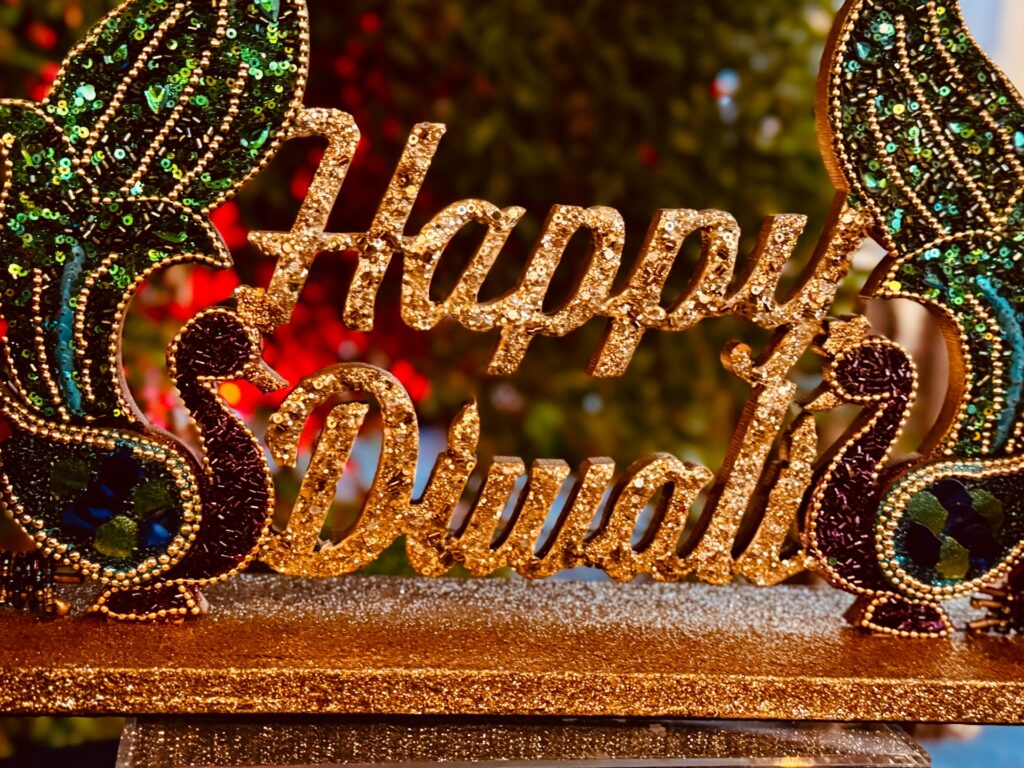
- Happy Diwali!
- Shubh Deepavali!
- Wishing you light, love, and happiness.
- May your life always shine brightly.
- Have a blessed and beautiful Diwali.
- Happiness, health, and prosperity to you.
- Keep shining. Happy Diwali!
- May your home glow with peace and joy.
Traditional Hindi Diwali Greetings with English Translation
दीपावली की हार्दिक शुभकामनाएं!
Translation: Heartfelt wishes for a happy and blessed Deepavali.
आपको और आपके परिवार को दीपावली की बहुत-बहुत बधाई।
Translation: Many happy Diwali wishes to you and your family.
माँ लक्ष्मी की कृपा आप पर सदैव बनी रहे।
Translation: May Goddess Lakshmi’s blessings always remain with you.
आपका जीवन सुख, शांति और समृद्धि से भरा रहे।
Translation: May your life be filled with happiness, peace, and prosperity.
Meaningful Diwali Quotes
Here are some original lines suitable for festive greeting cards and social media captions.
1. “One small lamp can brighten the darkest night. Let kindness be the light you carry every day.”
2. “May your heart be brighter than the brightest diya and your home be warmer than every festive light.”
3. “The beauty of Diwali is not measured by the number of lamps you light, but by the happiness you bring to others.”
4. “Let every new beginning bring wisdom, every challenge bring strength, and every day bring a reason to smile.”
5. “May the light of knowledge guide your decisions and the warmth of love fill your home.”
6. “Celebrate the goodness in life, appreciate the people around you, and share your happiness generously.”
Wishes for Bandi Chhor Divas
For Sikh friends and family celebrating Bandi Chhor Divas, use a greeting that recognizes the religious significance of the occasion.
- Happy Bandi Chhor Divas! May the spirit of freedom, courage, and compassion always inspire you.
- Wishing you a blessed Bandi Chhor Divas filled with peace and happiness.
- May the teachings of Guru Hargobind Sahib inspire us to stand for justice and help others.
Wishes for Jain Diwali
For Jain family members or friends, greetings can recognize Mahavira’s teachings and the spiritual meaning of liberation.
- Wishing you a peaceful and spiritually uplifting Jain Diwali.
- May the teachings of Lord Mahavira inspire compassion, nonviolence, and self-discipline.
- May this auspicious occasion bring spiritual reflection, wisdom, and inner peace.
Social Media Captions for Diwali
If you are sharing festive photographs on Instagram, Facebook, or other social platforms, these captions offer a simple way to express the mood of the celebration.
- Lighting lamps and spreading happiness.
- A little more light, a little more love.
- Diyas, sweets, smiles, and unforgettable memories.
- Let your inner light shine.
- Celebrating traditions, family, and togetherness.
- A night filled with light and a heart filled with gratitude.
- Shubh Deepavali!
- Good food, beautiful lights, and the people who matter.
Popular Diwali hashtags:
#HappyDiwali #Diwali2026 #ShubhDeepavali #Deepavali #FestivalOfLights #DiwaliCelebration #DiwaliWishes #DiwaliDecorations #DiwaliSweets #LakshmiPuja #BandiChhorDivas #HappyDeepavali
Frequently Asked Questions About Diwali
1. What is Diwali and why is it celebrated?
Diwali is a major Hindu festival known as the Festival of Lights. It celebrates the victory of good over evil, light over darkness, and knowledge over ignorance. Different Hindu communities connect the festival with stories about Lord Rama, Lord Krishna, and Goddess Lakshmi.
2. When is Diwali in 2026?
The main Diwali celebration in 2026 falls on Sunday, November 8. It is associated with Kartika Amavasya, the new moon of the Hindu lunar calendar.
3. When does Diwali start and end in 2026?
The principal five-day sequence starts with Dhanteras on November 6. The main Diwali celebration takes place on November 8, followed by Govardhan Puja and Bhai Dooj. Depending on the location and calendar calculation, the final observance falls on November 10 or 11.
4. What are the five days of Diwali?
The five principal days are:
- Dhanteras.
- Naraka Chaturdashi or Choti Diwali.
- Lakshmi Puja and main Diwali.
- Govardhan Puja or Annakut.
- Bhai Dooj.
Some communities include additional observances, such as Kali Chaudas, within their festival calendar.
5. What is the spiritual meaning of lighting diyas?
Lighting diyas represents the victory of light over darkness and the triumph of knowledge over ignorance. It also expresses hope, goodness, prosperity, and spiritual awareness.
6. Which goddess is worshipped during Diwali?
Goddess Lakshmi is the principal deity worshipped during Lakshmi Puja. She is associated with prosperity, wealth, abundance, and well-being.
Lord Ganesha is also commonly worshipped during the ceremony.
7. Why do Hindus celebrate Diwali after Dussehra?
The festivals have different religious occasions but are connected through the Ramayana tradition. Dussehra commemorates Lord Rama’s victory over Ravana, whereas Diwali celebrates his return to Ayodhya after completing his exile.
In the traditional North Indian account, the return takes place 20 days after Dussehra.
8. What is the difference between Diwali and Deepavali?
They are two names for the same festival. Deepavali is the fuller Sanskrit-derived name, meaning a row of lamps, and Diwali is its commonly used shortened form.
9. Is Diwali a Hindu or Sikh festival?
Diwali is primarily a Hindu festival. Sikhs observe Bandi Chhor Divas during the same period to remember Guru Hargobind’s release from Gwalior Fort with 52 imprisoned rulers, according to Sikh tradition.
Jains also observe Diwali to commemorate Lord Mahavira’s nirvana.
10. Do Jains celebrate Diwali?
Yes. For Jains, Diwali commemorates Lord Mahavira’s final liberation. Their religious observance emphasizes spiritual knowledge, nonviolence, self-discipline, and liberation from the cycle of rebirth.
11. Do Buddhists celebrate Diwali?
Not all Buddhists celebrate Diwali. Some Newar Buddhist communities in Nepal participate in the local Tihar and Swanti festival traditions, including Mha Puja.
These are specific regional practices, not a universal Buddhist observance.
12. Is Diwali a public holiday around the world?
Diwali or Deepavali is a public holiday in several countries, including India, Nepal, Singapore, Malaysia, Mauritius, Guyana, and others. Its official status and replacement holiday arrangements differ by country and local government.
13. Why do people buy gold on Dhanteras?
Gold, silver, and other auspicious purchases are traditionally associated with wealth, good fortune, and prosperity. Families may also purchase utensils or other household goods to mark the beginning of the festive period.
14. Why is rangoli made during Diwali?
Rangoli is a traditional decorative art that welcomes guests and symbolizes auspiciousness and hospitality. Families create patterns near home entrances using flowers, rice flour, and colored materials.
15. What foods are traditionally prepared for Diwali?
Popular foods include gujiya, besan ladoo, kaju katli, motichoor ladoo, chakli, murukku, namak pare, chivda, kheer, and regional sweets.
The menu varies by region and family tradition.
16. What should you gift someone on Diwali?
Traditional sweets, dry fruits, chocolates, decorative lamps, festive clothing, handmade items, and personalized gift hampers are popular choices.
17. Can non-Hindus celebrate Diwali?
Yes. People from different religious and cultural backgrounds participate in public Diwali celebrations, visit cultural events, exchange greetings, and join invited family or community gatherings.
Respecting the religious practices and customs of the hosts is the best way to participate.
18. What is the best greeting for Diwali?
Happy Diwali and Shubh Deepavali are widely used greetings.
A traditional greeting is:
“May the light of Diwali fill your home with peace, prosperity, happiness, and endless blessings.”
19. What is UNESCO’s recognition of Diwali?
In December 2025, Deepavali was inscribed on UNESCO’s Representative List of the Intangible Cultural Heritage of Humanity. The recognition acknowledges its living cultural traditions and the way communities preserve and pass them to younger generations.
20. What is the next Diwali date after 2026?
In India, the next Diwali falls on Friday, October 29, 2027.
The Lasting Message of Diwali
A diya does not need to illuminate an entire city to make a difference. It only needs to bring light to the space around it.
That simple idea gives Diwali its enduring meaning. The festival celebrates religious devotion, cultural identity, family bonds, generosity, and the hope that better things can follow difficult times.
Its stories may differ between regions and faiths, its foods may change from one household to another, and its celebrations may look different in distant countries. The commitment to goodness, compassion, gratitude, and positive beginnings gives these traditions a shared human message.
As families gather, temples glow, children learn old customs, and neighbors exchange greetings, Diwali continues to connect generations.
May every lamp you light represent a kinder action, every gift express genuine affection, and every new beginning bring greater wisdom and peace. Happy Diwali 2026!
Editorial source references
The following organizations and publications provided us with the information regarding the principal factual foundations for the festival’s history, traditions, religious meaning, dates, international observances, and safety guidance:
- UNESCO, Deepavali, Representative List of the Intangible Cultural Heritage of Humanity, 2025.
- Government of India’s Ministry of Tourism, Utsav: Diwali.
- Government of India’s Indian Space Research Organisation institutional holiday calendars, 2026.
- Drik Panchang, Hindu festival calendar and local Karachi panchang, November 2026.
- National Geographic, Explaining the History of Diwali, India’s Festival of Lights.
- Princeton University, About Diwali.
- JAINA, Jain Diwali religious traditions.
- Government of Canada, Canadian Heritage, statement on Bandi Chhor Divas.
- Nepal Tourism Board, Tihar.
- Singapore Ministry of Manpower, Public Holidays for 2026.
- Government of Malaysia, national holiday calendar, 2026.
- Pakistan Ministry of Information and Broadcasting, Diwali messages and celebrations, November 8, 2026.
- India’s National Centre for Disease Control and Petroleum and Explosives Safety Organisation, public health and fireworks safety guidance.
- US Consumer Product Safety Commission, 2026 fireworks safety guidance.
