

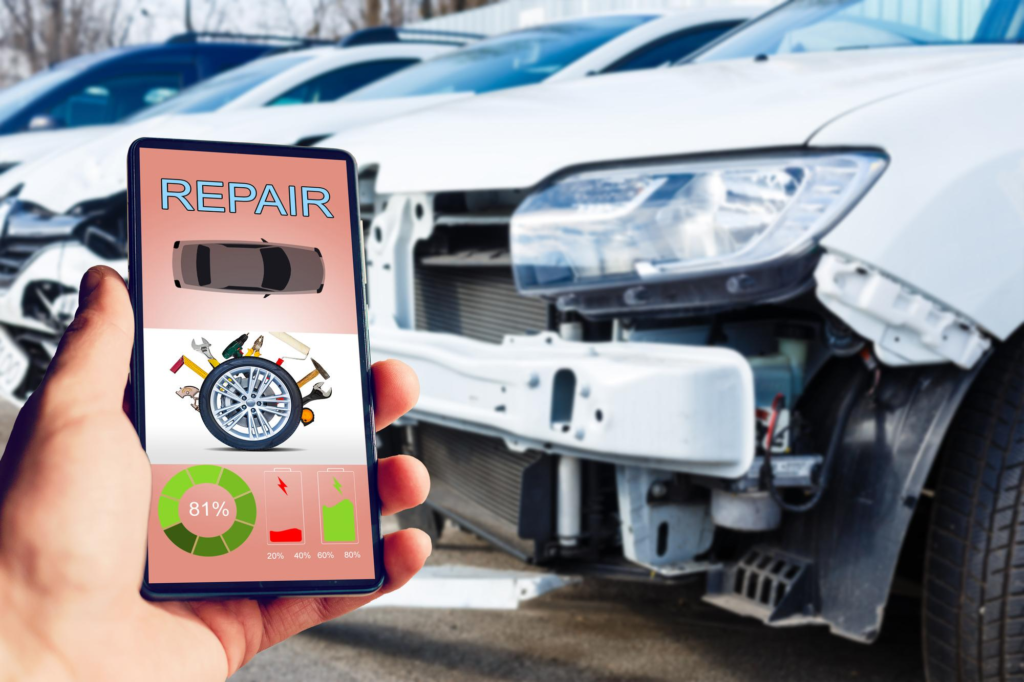
After a crash, most people think about photos and phone numbers. That makes sense. However, your car and your phone may have recorded details too. They do not forget, and they do not pick sides. Sadly, that proof can vanish fast. This guide explains what they record and how to protect it. Best of all, the steps are simple.
Your Car Has a Quiet Witness
Many modern cars have an event data recorder, or EDR. Think of it as a small black box. The National Highway Traffic Safety Administration says it records vehicle data just before a crash. That can include speed, braking, steering, and gas pedal use. Still, most units only save about five seconds before impact. Regulators have also moved to extend that window in newer vehicles. Many drivers never learn their car has one. Yet it can become key proof.
Why does this matter? Imagine the other driver says you braked too late. Your EDR may show what really happened. Rules on who can read this data vary by state, so early advice helps. To build a clearer plan, look to a renowned personal injury law firm, The Chopin Law Firm (at https://www.chopinlawfirm.com/car-accidents/), which explains what to do after a crash and how insurance claims work. Reading it before you give any statement can keep you calm and prepared.
Why the Clock Is Ticking
Time matters more than most people think. Insurers often move quickly. An adjuster may ask for a recorded statement in the first days. Take a breath first, gather your facts, and then decide how to respond.
Meanwhile, the car itself is at risk. After a crash, it often goes to a tow yard or a body shop. Repairs can replace parts that hold the data. A sold or scrapped car may take the proof with it. Also, in some cars, later events can overwrite older records.
So act early. First, ask the tow yard or shop to hold the car as it is. Next, tell your insurer you want to keep the vehicle for now. Then, write down who you spoke to and when. If the crash was serious, a lawyer can send a letter asking others to preserve the car and its data. Keep your own copies of every message too.
Capture the Scene Like a Pro
Your own evidence still matters most. Take wide shots and close-ups. Capture lane markings, skid marks, signs, and weather. Photograph every license plate and any visible injuries. Then record a short video while you slowly walk around the scene. Voice notes help too, since memory fades quickly. If you are hurt, ask a passenger or a bystander to take the photos for you.
A phone with a strong camera makes this easier, especially in dim light or rain. Clear images show small details, like a broken taillight or a faded stop line. Also, check that your photos carry date and time stamps. Do not edit or delete any picture, even blurry ones. Finally, back everything up to the cloud that same day.
Do not forget the human side of the story. Ask any witnesses for their names and phone numbers. Their view can fill gaps your photos miss. Moreover, write a short note about what happened while it is fresh. Include the time, the weather, and the direction you were heading. Small details matter later, so be as specific as you can. Even a short, honest note can help you answer questions with confidence.
What Your Phone Records on Its Own
Phones can act as witnesses too. Pixel phones have offered Car Crash Detection since 2019, and Apple added a similar feature with the iPhone 14 in 2022. Google says its version uses location, motion sensors, and nearby sounds. After a severe crash, the phone can alert emergency services. In 2021, one Pixel owner flipped a farm vehicle and could not reach his phone. His Pixel still called for help. Newer Apple Watch models even add a barometer to spot changes linked to airbags.
These alerts can also help show when and where a crash happened. So, never delete them. Take a screenshot of any alert, call log, or text sent right after the crash. However, this tech is not perfect. It may miss some crashes, and high impact activities can cause false alarms. Because of
that, never rely on it alone. It also needs location, activity, and microphone permissions, so check your settings today.
Your First-Week Checklist
Keep it simple. Save your photos and alerts. Ask passengers and witnesses to send you their videos. Request the police report. Keep medical records, insurance letters, and repair bills together. Also, check whether a car app or rideshare app logged the trip, and save a screenshot. Avoid posting about the crash on social media. Above all, see a doctor even if you feel fine, since some injuries show up later.
Final Thoughts
Your car and phone are not magic. Still, they can back up your story with facts. A little care in the first days can protect your claim and your peace of mind. This article shares general information, not legal advice. For your own case, talk with a licensed attorney.
