

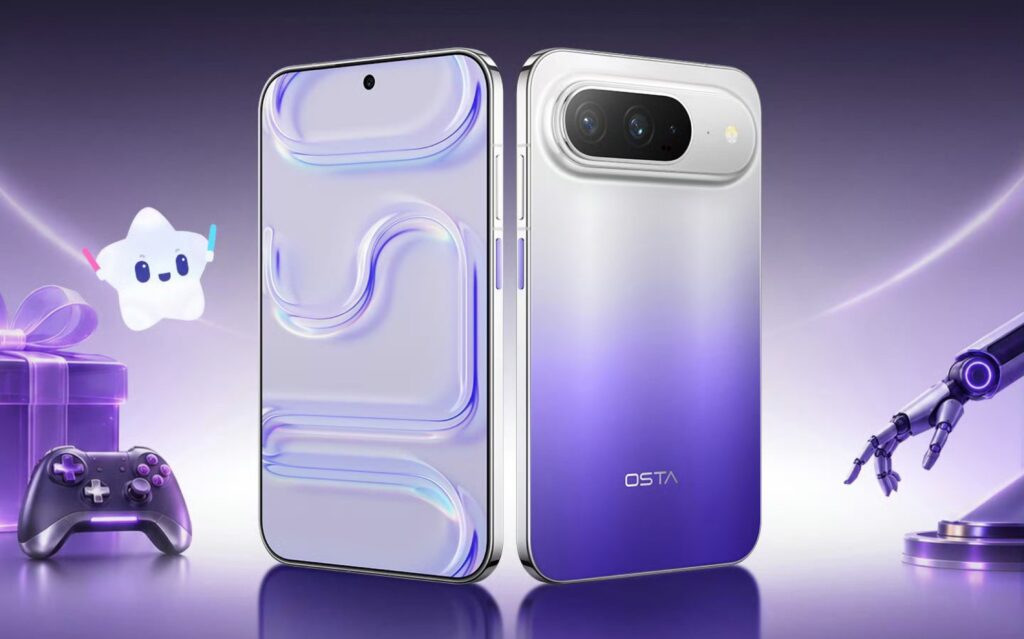
Huawei launched its first OSTA phone, the O1 Pro, on Friday in China during a joint event with the Stelato V8. The device is the opening product of the new sub-brand, known in China as Xingmang, and is positioned as the first handset to ship with HarmonyOS 7 AI Pioneer Edition.
The O1 Pro uses a 6.39-inch flat LTPS OLED panel with a 16:9.5 aspect ratio, 1.5K resolution (2232 x 1320), 120Hz refresh rate and peak brightness of 6,500 nits.
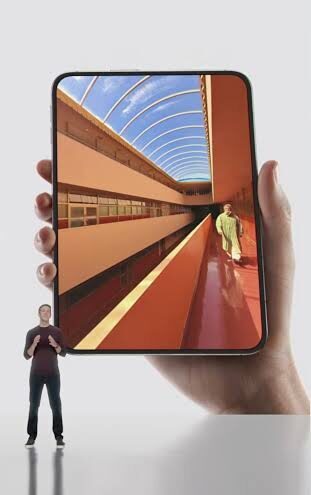
It looks like half of an iPhone Duo.
Look how Huawei mocked Apple by showing how easy it is to hold the O1 Pro with one hand and you don’t have to fake it:
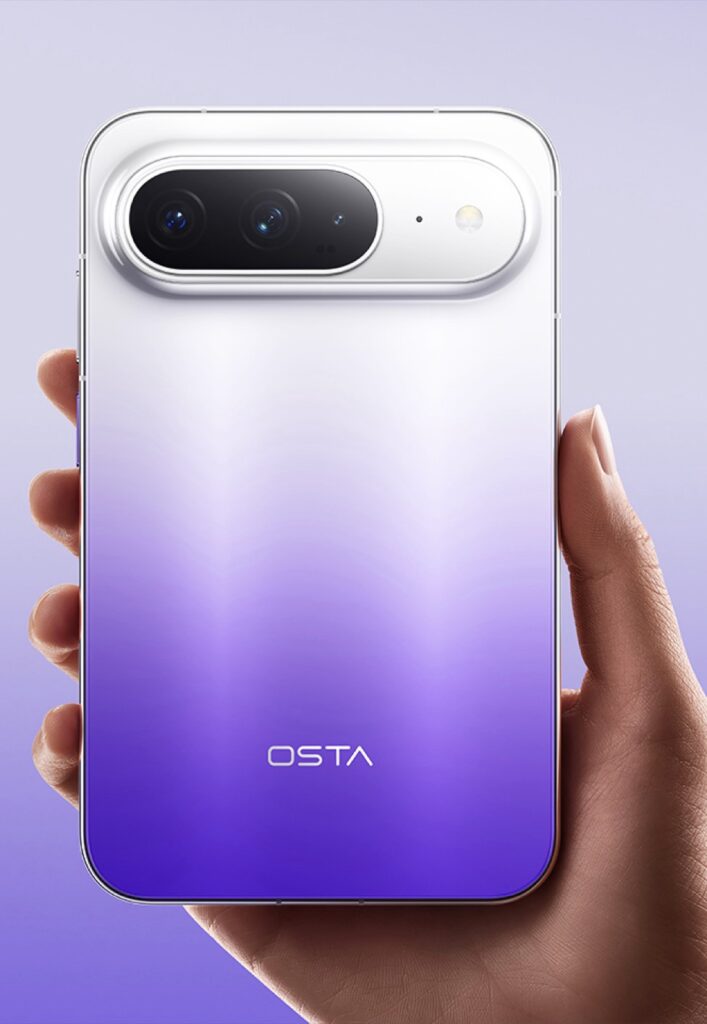
Bezels measure 1.05 mm on all four sides.
The body is 6.68 mm thick and weighs about 200 g. It is finished in Starry Black, Nebula White or Starburst Purple and carries a horizontal dual-camera module on the rear.
Power comes from the Kirin 9030S chipset.
Memory and storage options are 12 GB + 256 GB, 12 GB + 512 GB, 16 GB + 512 GB and 16 GB + 1 TB.
The rear cameras consist of a 200-megapixel 1/1.28-inch RYYB main sensor with optical image stabilisation and a 50-megapixel RYYB periscope telephoto offering 3.7x optical zoom, plus a second-generation Red Maple colour lens.
There is no ultra-wide camera. A 50-megapixel front camera is also listed.
The phone holds a 7,000 mAh battery that supports 66 W wired charging and wireless charging.
Official materials state the pack can reach full capacity in 54 minutes on the wired charger.
Side fingerprint recognition, IP68 and IP69 dust and water resistance, infrared, NFC, Bluetooth 6.0 and Wi-Fi 7 are included.
Introductory prices in China are 5,499 yuan for the 12 GB + 256 GB model, 6,499 yuan for 12 GB + 512 GB, 7,299 yuan for 16 GB + 512 GB and 8,799 yuan for 16 GB + 1 TB.
Each configuration is 200 yuan below the standard list price.
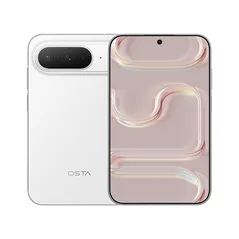
Starry Black and Nebula White are limited to the 12 GB versions; Starburst Purple is reserved for the 16 GB models.
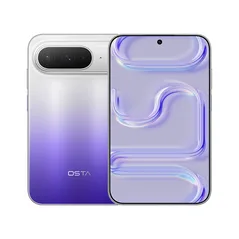
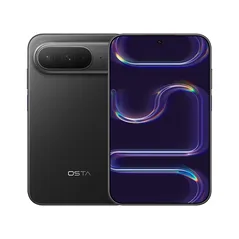
Sales open at 18:08 China time on Vmall and JD.com. Huawei has not announced availability outside China.
The wide 16:9.5 screen is the clearest departure from conventional tall smartphones and continues the approach Huawei first used on the Pura X View.
Buyers who want that form factor now have a slightly cheaper entry point under the OSTA name, though the absence of an ultra-wide camera and the China-only launch limit the phone’s immediate reach.
